Compare
Decisions, with the trade-offs stated.
Choosing a therapist means making several decisions at once, usually with incomplete information and often while you are not at your best. These comparisons lay out the real differences, including the ones that point away from this practice.
Side-by-side comparisons of the decisions people face before starting therapy in BC: RCC versus psychologist versus social worker, CBT versus EMDR for trauma, therapy versus medication, EFAP versus private counselling, weekly versus biweekly sessions, and therapy apps versus a counsellor. Each states the trade-offs plainly, including when the better answer is not this practice.
Updated
Still weighing it up? A free 15-minute consultation includes an honest answer if what you need is someone other than a Registered Clinical Counsellor.
The four decisions people are actually making
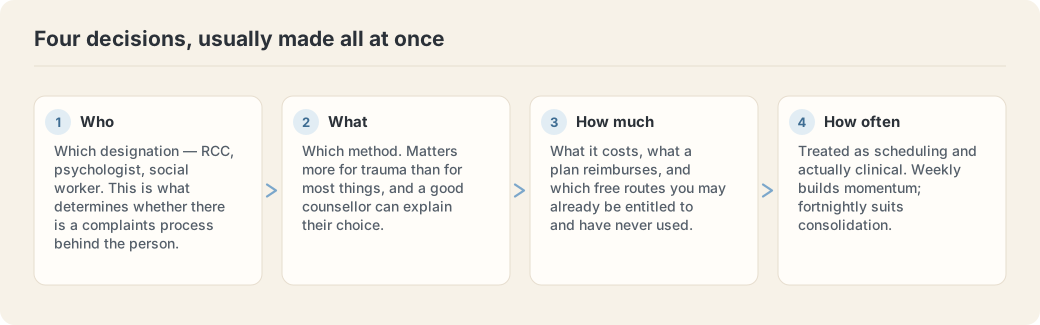
Almost everyone arriving at counselling is deciding four things at once, usually without realising they are separable. Who, which designation, which is what determines whether there is any complaints process behind the person you are trusting. What, which method, which matters more for some difficulties than others and matters a great deal for trauma. How much: what it costs, what a plan reimburses, and which free routes you may already be entitled to. And how often, which people treat as a scheduling question and which quietly determines what the therapy can do.
Each page here takes one of those, sets out the options in a table, and says plainly where each option is the wrong answer, including the cases where the wrong answer is this practice. A page that never points anywhere else is advertising, whatever it is labelled.
Where to start, depending on what you are stuck on
If you do not yet know who you are supposed to be looking for, start with RCC vs psychologist vs social worker. It is the decision that most changes what you can actually get, since only some of those designations can diagnose or assess. If someone has suggested a coach, or you are weighing one, therapy vs coaching sets out the accountability gap the two job titles conceal.
If a doctor has raised medication, or you are trying to work out whether to, therapy, medication, or both explains what each acts on and who decides, with the plain caveat that a counsellor cannot prescribe or advise on it. If money is the constraint, EFAP vs private counselling is the one to read first, because a great many people have an employer-funded entitlement they have never used.
If the question is about the relationship rather than one person, individual vs couples therapy covers how to choose when only one of you wants to go. If trauma is what brought you here, CBT vs EMDR is the comparison that most often changes what people ask for. And if the work has already started, weekly vs biweekly is the decision most likely to be made by accident.
You may also want the counselling guides, the glossary of terms if the vocabulary is the obstacle, or the practical detail on fees and extended-health coverage.
Still weighing it up?
Fifteen minutes on a call will settle more than another hour of reading. It is free, and there is no obligation afterward.
Book Free ConsultationNot ready to book? Send a line about what is going on. A reply comes within one business day, or read the guides first and come back when you want to.
Looking on behalf of someone else? What to send them, and what not to, including the funded routes most people do not know they qualify for.